




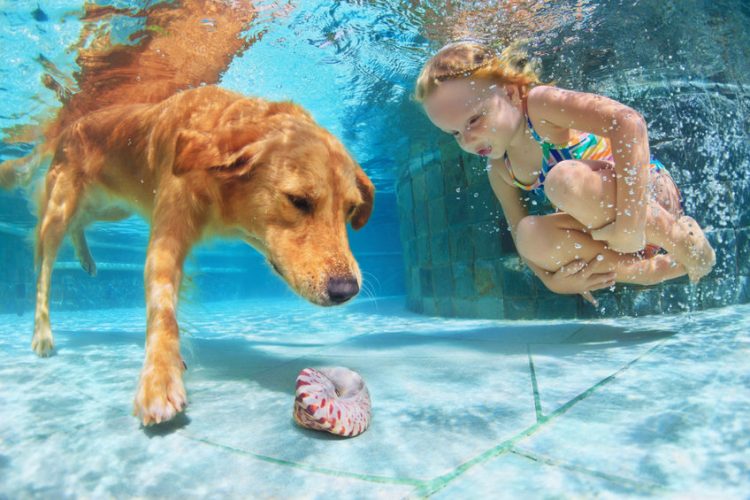
Summer is fast upon us, which means it is time to go over some general pool safety tips. These tips are important whether you are swimming in your own pool or someone else’s.
Review these rules as a family. Children of all ages need to reminded of how to be safe in water.
A pool guarantees tons of fun each season for everyone, but being in or near any type of water also comes with a lot of responsibility.
Keep reading to ensure that you and your family are safe all summer long.
Never leave a toddler alone near or in water.
When children are in or near water, always keep an eye on them. Designate an official water watcher, an adult in charge of keeping an eye on the kids in the water.
They should not be reading, messaging, or playing games on their phones; watching the children should be their exclusive purpose.
Keep a phone nearby in case you need to call for assistance, and if a youngster goes missing, check the pool first. Even if there is a lifeguard on duty, parents and caregivers should take up the role of authorized water watcher.
Teach children how to swim.
Swimming is not only enjoyable, but it may also save your life. Enroll your children in swimming lessons; your local parks and recreation department can provide several free or low-cost choices.
Children should be taught to swim. Since each child is unique, enroll them in swim lessons when they are ready. Take into account their age, growth, and the amount of time they spend around water.
Children should be taught to keep clear of drains.
Never enter a pool or spa with a loose, damaged, or missing drain cover. Hair, limbs, jewelry, or swimming suits from children might become trapped in drains or suction openings.
Before entering the water in a spa, make sure you find the emergency vacuum shutoff.
Make sure all of your pools and spas, whether at home or in public pools, have compliant drain covers.
Virginia Graeme Baker, for whom the Pool and Spa Safety Act is named, drowned as a result of a suction entrapment caused by a malfunctioning drain cover.
To avoid catastrophes like the one that claimed Graeme’s life, all public pools and spas must have drain grates or covers that exceed safety regulations. The tremendous suction of a pool or spa drain may even ensnare an adult.
Install appropriate barriers, coverings, and alarms on and around your pool and spa.
Fencing, barriers, alarms, and coverings that are properly installed can save lives. The pool or spa should be surrounded by a four-foot-high barrier that is not climbable by youngsters.
Only a self-closing, self-latching gate should provide access to the water. Never allow kids to attempt to climb over a gate or fence.
Install a door alarm from the home to the pool area, and maintain the pool and spa covers.
Learn how to give CPR to both children and adults.
Bystanders are usually the first to save a drowning victim, so knowing CPR can save a life. It’s critical to know how to react in an emergency without risking drowning. These abilities might help you save a life.
Once you’ve earned your CPR certification, make sure to keep it up to date. Many hospitals and community centers provide CPR lessons, or one may contact the Red Cross.
 Conclusion
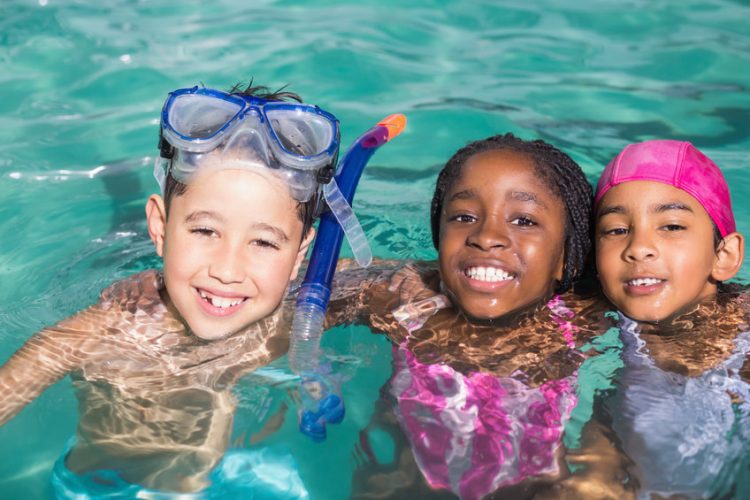

In conclusion, it is critical to remember that supervision is the key to children’s swimming pool safety. Being in continual visual contact and within arm’s reach is what supervision entails.
All private swimming pools and spas must have safety barriers that are tested and maintained regularly. Even if a lifeguard is on duty, keep an eye on your kids in public pools.
It is vital to explain to children that everyone must follow the instructions of the lifeguards. Even if other children do not obey the pool regulations, they must. Keep an eye out for other people in the water, especially if it’s crowded.