
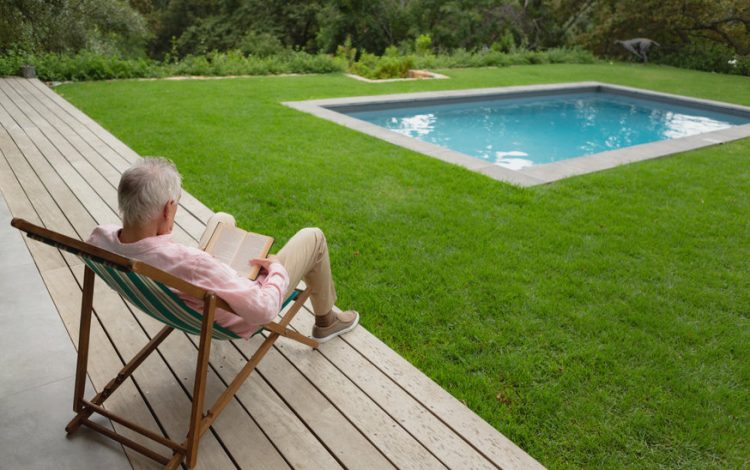
WILL POOL CHEMICALS KILL GRASS?
Pool water splashes are unlikely to damage your grass. Nevertheless, you must properly prepare your yard so that you may enjoy lush green grass and a refreshing plunge in your pool.
Many a times, the water in your swimming pool will not damage the grass that grows around it. It will, although, be dependent on the amount of chemicals in the water, like chlorine and salts.
Swimming trunks frequently leak, and children diving in the water make a splash. These situations are unlikely to have a substantial impact on your lawn. In most circumstances, a few drops or splashes will not damage the grass or modify the pH of the soil.
Want to learn a little more? Keep reading.
How Does Chlorine Affect Grass?

Most individuals are aware that undiluted chlorine is a dangerous substance. The quick answer is that water splashed onto your grass from your pool should not damage it because the chemical is greatly diluted when mixed with pool water.
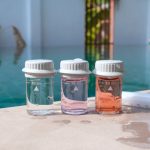
While little splashes and moist foot paths shouldn’t hurt your lawn, emptying your pool is a different matter. Since you’ll be pouring a big volume of pool water onto your grass at this time, make sure the chlorine levels are less than 0.1 parts per million before you begin. Due of the huge volume of chemical, any more may cause harm to your lawn.
In contrast, undiluted chlorine is a caustic chemical that may quickly harm plants and grass. If you spill undiluted chlorine on your lawn (for instance, while changing the pH levels in the pool), dilute it quickly by vigorously watering the area with fresh water.
How Does Salt Affect Grass?
If you live near the ocean, you will be aware that salt and grass do not get along. If you have a salt water pool, you may discover that excessive amounts of salt might harm the health of your grass.
High salt levels can limit root growth and hinder your grass from absorbing nutrients and water. Salt will also remain on your lawn and in your soil until rinsed away by clean water. While occasional splashes from your pool should not be a major problem, salt buildup on your lawn might cause harm over time.
To minimize any damage, its recommended giving your lawn a fast watering after a long day at the pool. If you’re emptying your pool, you should also water your grass thereafter to eliminate any extra salt, and if any salt runs onto your lawn, you should wash it away with fresh water, much like chlorine.
Pro Tip: To keep salt from pool water splashes from accumulating to unsafe amounts on your grass, water it well after you’ve finished swimming.
Things That Could Damage Your Grass
A few things that homeowners do in relation to their swimming pool might harm their landscape. If you have to empty your pool and allow the chlorinated water to sink into the soil, your grass may die.
It’s a great idea to lower the chlorine content before letting the water to flow into the lawn while draining your swimming pool. Never use water on your lawn that has more than 0.1 parts chlorine per million of water.
Too much chlorine will damage your lawn and the soil’s health. It’s also bad for the environment since it may pollute streams and endanger animals.
You should also monitor the salt levels in your pool to ensure that it does not harm your grass. Rather of letting the water sink into your yard, attempt to drain your swimming pool into a sanitary sewer or clean outline if feasible.
What is the best grass for your pool area?
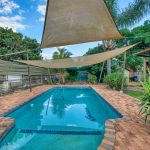
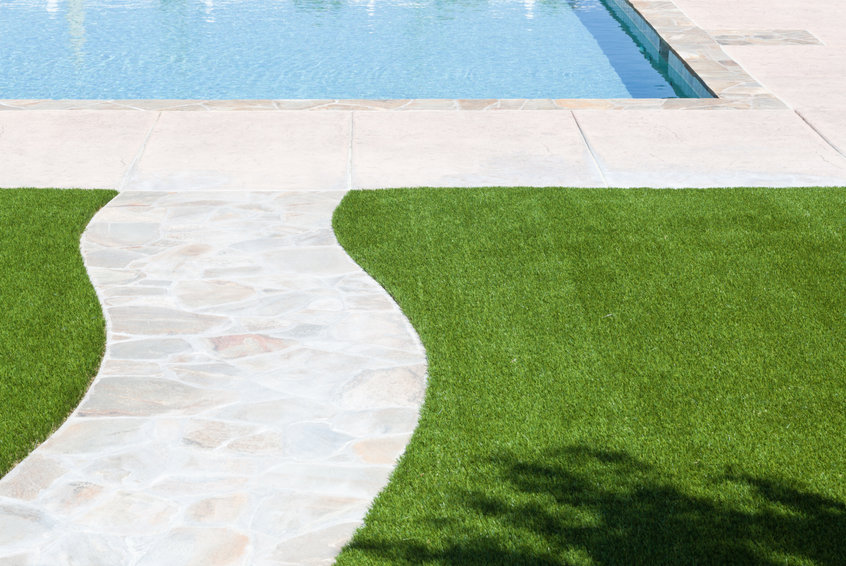
In recent years, there has been an increasing tendency of laying turf straight up to the pool’s edge. This results in a softer appearance that will not burn bare feet like hot pavers may!
If you like this design, do some study on which grass kinds will work best in your pool area. Any form of grass turf should be able to live and grow near a chlorinated pool if you remember to dilute, dilute, dilute.
If you have a salt water pool, certified grass is a wonderful choice since it is more salt resistant than other kinds, and any spots of damage will regenerate much faster.
Conclusion
Swimming pool water, in little amounts, will not harm your lawn. If you have to empty your pool, the salts and chlorine in the water might damage your lawn.
As a result, you should attempt to reduce the amount of chlorine before draining. It may also be beneficial to talk with a pool specialist about emptying your pool. Laying pavers or tiles around your pool helps protect the surrounding grass from pool water.